 206-848-8080
 sales@seattlehvac.com
How Often Should You Replace Your Home’s AC Unit?
SUMMARY
Your air conditioning system is one of the most relied-on parts of your home, especially during the hottest months of the year. But no matter how well you maintain it, your AC unit won’t last forever. Knowing when to replace it can help you avoid breakdowns, save money on energy bills, and keep your home comfortable year-round. In this blog, we’ll explore how often you should replace your home’s AC unit, the signs it might be time, and the benefits of timely replacement.
How Often Should You Replace Your Home’s AC Unit?
Understanding the Average Lifespan
Most central air conditioning units are designed to last between 10 and 15 years. However, the actual lifespan depends heavily on several factors, including how often the system is used, the climate it operates in, and how well it’s been maintained over the years. In areas where the AC runs constantly due to heat and humidity, wear and tear naturally accelerate. On the other hand, a system that only runs during summer months and is regularly serviced could last on the higher end of that range.
Even with proper maintenance, all systems eventually begin to lose efficiency. Parts wear out, the compressor weakens, and your system struggles to cool your home the way it once did. At a certain point, the cost of keeping an old unit running outweighs the benefits, especially when newer systems offer much higher energy efficiency.
Why Maintenance Matters
Regular AC maintenance can help you get the most years out of your system. Tasks like changing the air filters every few months, cleaning the evaporator and condenser coils annually, and having a professional tune-up each year can extend your unit’s life and keep it running efficiently. Neglecting these maintenance steps shortens the lifespan and leads to costly repairs that could have been avoided.
Without annual inspections, small issues go unnoticed until they become big problems. A simple refrigerant leak or electrical failure can end up causing damage to other parts of the unit, accelerating the need for replacement far sooner than expected.

Signs It’s Time to Replace Your Home’s AC Unit
Decreased Performance and Efficiency
One of the most noticeable signs your AC unit might need replacing is a drop in performance. If your system takes longer to cool your home, has trouble maintaining a consistent temperature, or starts making strange noises, it may be time to consider an upgrade. Systems that are struggling to perform typically have worn parts or internal damage that can’t be easily fixed. Along with decreased comfort, you’ll likely notice rising energy bills as the system works harder and longer to achieve the same results.
Older AC units also lack the energy-efficient features of newer models. Upgrading to a unit with a high SEER (Seasonal Energy Efficiency Ratio) rating can reduce your monthly energy costs and improve overall comfort in your home.
Frequent Repairs and High Costs
If you find yourself calling a technician every summer—or worse, multiple times in the same season—you might be spending more on repairs than the unit is worth. Repairs can offer a temporary fix, but as the unit ages, problems often return or lead to new issues. When the cost of a single repair is more than half the price of a new unit, it’s a clear sign that replacement is the smarter financial choice.
Even seemingly minor repairs like refrigerant recharges or fan motor replacements can add up over time. Instead of investing in patchwork solutions year after year, replacing your old system allows you to start fresh with a warranty-backed, energy-efficient unit.

The Benefits of Replacing Your AC Unit on Time
Energy Savings and Modern Technology
Newer AC systems are designed with energy efficiency in mind. Many models now include variable-speed compressors, smart thermostats, and zoning capabilities that allow for better temperature control and lower energy use. If you’re currently running a system that’s 10+ years old, you’re likely spending significantly more than you need to on cooling costs.
Investing in a modern system reduces your carbon footprint while putting more money back in your pocket over time. Some utility providers even offer rebates or incentives when you install energy-efficient models, adding even more value to your upgrade.
Increased Comfort and Property Value
A new air conditioning unit doesn’t just improve efficiency—it enhances overall comfort. Your home will cool more evenly, maintain better humidity levels, and operate more quietly. You’ll also have peace of mind knowing that you won’t have to worry about costly breakdowns during peak summer heat.
If you’re thinking about selling your home, a new AC unit is also a major selling point. Buyers are more likely to make strong offers on homes with newer, well-maintained HVAC systems, knowing they won’t have to shoulder that cost themselves in the near future.
Conclusion
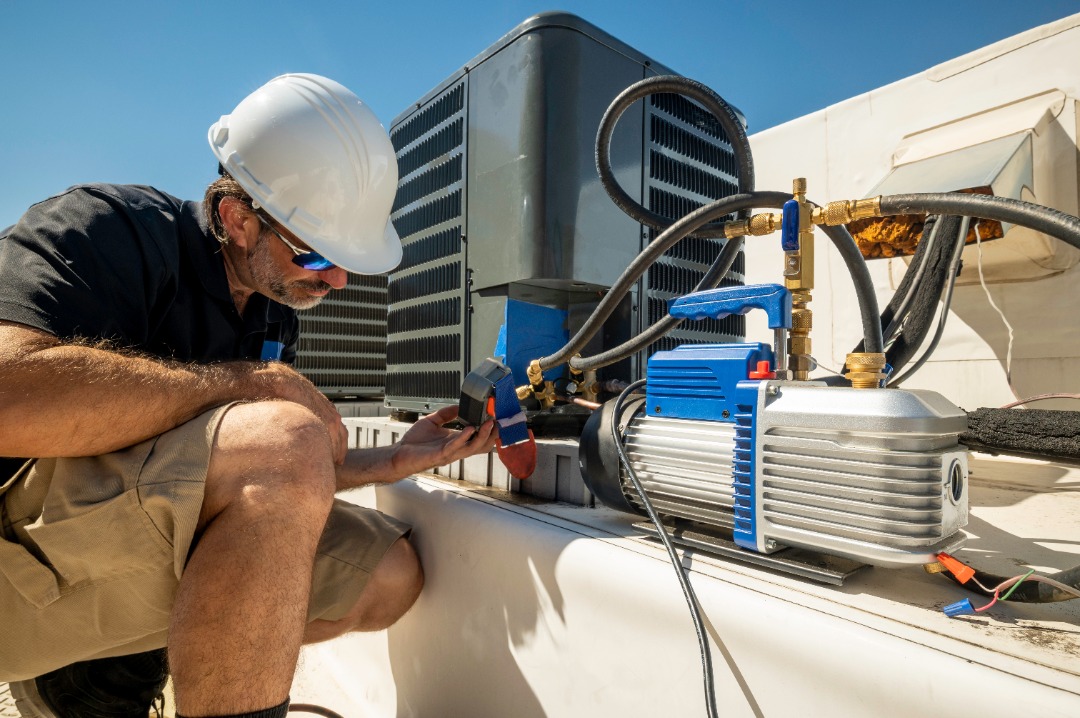
Replacing your home’s AC unit is a big decision, but it’s one that comes with major benefits when done at the right time. Most systems last between 10 and 15 years, but watching for signs like declining performance, frequent repairs, and rising energy costs can help you decide when it’s time to invest in a new system. Keeping up with regular maintenance can stretch your system’s lifespan, but no amount of care will keep it running forever. If your current unit is on its last leg, upgrading to a new, energy-efficient model will improve your comfort, save you money, and increase your home’s value. Make sure to get with us for all your HVAC services, AC repairs, AC installations and more!

SERVICES
HVAC
Heating
Air Conditioner Repair
Heat Pumps
Mini Splits
Furnace Repair
Air Duct Cleaning
Air Conditioner Installation
Services by Product
Bosch
Day and Night
Lennox
Mitsubishi
LG
American Standard
Cooling Services
Indoor Air Quality
Preventive HVAC Maintenance
Commercial HVAC Service
HVAC Installation Services
HVAC Repair Services
Energy Efficient HVAC
HVAC System Upgrades
Refrigeration Services
Furnace Installation

"*" indicates required fields