 206-848-8080
 sales@seattlehvac.com
Tips To Keep Up With Your Commercial HVAC System
SUMMARY
Managing a commercial HVAC system can be a challenge, especially when it supports large buildings, diverse operations, and numerous employees or customers. These systems are vital for maintaining indoor air quality and a comfortable working environment, and they also play a significant role in your building’s energy efficiency. Regular upkeep ensures that your commercial HVAC unit continues running smoothly year-round. In this blog, we’ll explore practical tips to help you stay on top of your HVAC system maintenance so that you can avoid unexpected breakdowns, keep your energy bills in check, and extend the system’s lifespan.
Tips To Keep Up With Your Commercial HVAC System
Understand Your System’s Components and Schedule
Commercial HVAC systems are more complex than residential units and often include multiple zones, larger ducts, rooftop units, and specialty equipment. Understanding what type of system you have and how it functions is the first step in keeping up with maintenance. Your system may include heating, cooling, ventilation, and air filtration units working together, and each part will have its own recommended service schedule.
Knowing the manufacturer’s guidelines for inspections, filter replacements, and cleanings will help ensure your system operates efficiently. Commercial systems should be inspected by a licensed technician at least twice a year—typically before peak heating and cooling seasons. If your building operates year-round or includes sensitive environments like server rooms or food storage, more frequent service may be necessary to prevent failures.
Create and Follow a Preventative Maintenance Plan
Preventative maintenance is the cornerstone of HVAC care. It helps identify minor issues before they become major problems and extends the life of your system. By working with a professional HVAC company to create a customized maintenance plan, you’ll receive regular service reminders, seasonal checkups, and consistent performance tracking. These plans often include inspections of belts, motors, refrigerant levels, thermostats, and electrical connections.
When your HVAC system is clean, lubricated, and calibrated properly, it runs more efficiently and consumes less energy. A preventative plan not only reduces the risk of emergency repairs but also helps you stay compliant with safety codes and avoid disruptions to your business operations. In some cases, regular maintenance may also be required to maintain your system’s warranty coverage.

Monitor Performance and Energy Usage
Track Patterns and Spot Irregularities
Monitoring your HVAC system’s performance over time can help you catch problems early. Keep an eye on energy bills for any sudden spikes, and pay attention to complaints from employees or customers about inconsistent temperatures or unusual noises. These could be signs of airflow problems, clogged filters, or failing components.
You should also check your thermostat settings and calibration regularly. Malfunctioning thermostats can cause uneven heating and cooling, making your system work harder than necessary. When you notice a change in performance, don’t wait for it to get worse—call a technician to inspect the issue. Early intervention can prevent a small issue from shutting down the entire system, saving time and money.
Upgrade to Smart Controls and Efficient Equipment
If your building still relies on older HVAC controls or outdated equipment, upgrading to smart thermostats or building automation systems can give you more control and visibility. These technologies allow you to schedule temperature changes, detect issues remotely, and receive real-time alerts when performance drops. Smart systems can also adjust airflow and temperature by zone, improving occupant comfort and lowering energy waste.
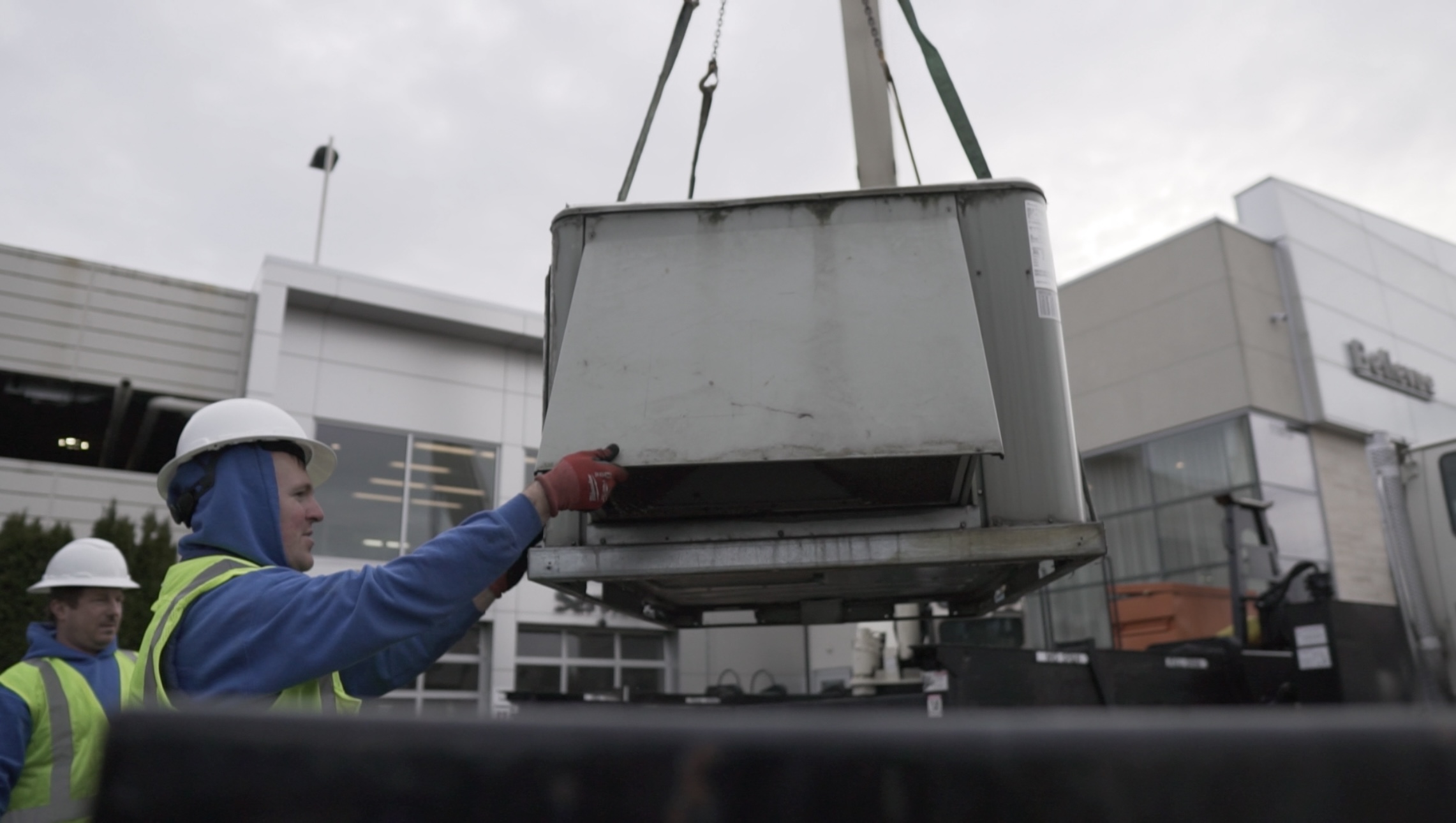
Modern commercial HVAC systems are designed to meet today’s energy standards and offer better efficiency ratings. If your current system is more than 15 years old, replacement may be more cost-effective than continuous repairs. Newer units can lower your utility costs and provide more reliable service year-round.
Work With a Professional HVAC Partner
Schedule Professional Inspections and Tune-Ups
Even if you handle some of the basic upkeep internally, partnering with a licensed HVAC technician is essential for maintaining your commercial system. Technicians are trained to detect hidden issues that you might miss, and they can test for refrigerant leaks, airflow imbalances, and duct obstructions that affect efficiency and indoor air quality. Regular tune-ups keep all parts of the system in sync, helping your HVAC unit operate reliably across all seasons.
Professional inspections should happen at least twice per year, but quarterly inspections may be necessary for larger buildings or systems with high usage. These appointments are also a good time to review air quality metrics, check for mold buildup in vents, and ensure the system meets current building codes and standards.
Keep a Maintenance Log and Documentation
One of the most overlooked parts of HVAC maintenance is documentation. Keeping a detailed log of all inspections, repairs, replacements, and upgrades helps track system performance and plan future budgets. This information is also valuable when it’s time to sell the building or if you need to provide service history for insurance or warranty claims.
A maintenance log allows you to make informed decisions about future investments and helps identify recurring issues that may suggest larger system problems. Some HVAC service providers offer digital dashboards or reports that simplify this process and give you instant access to your maintenance history.
Conclusion
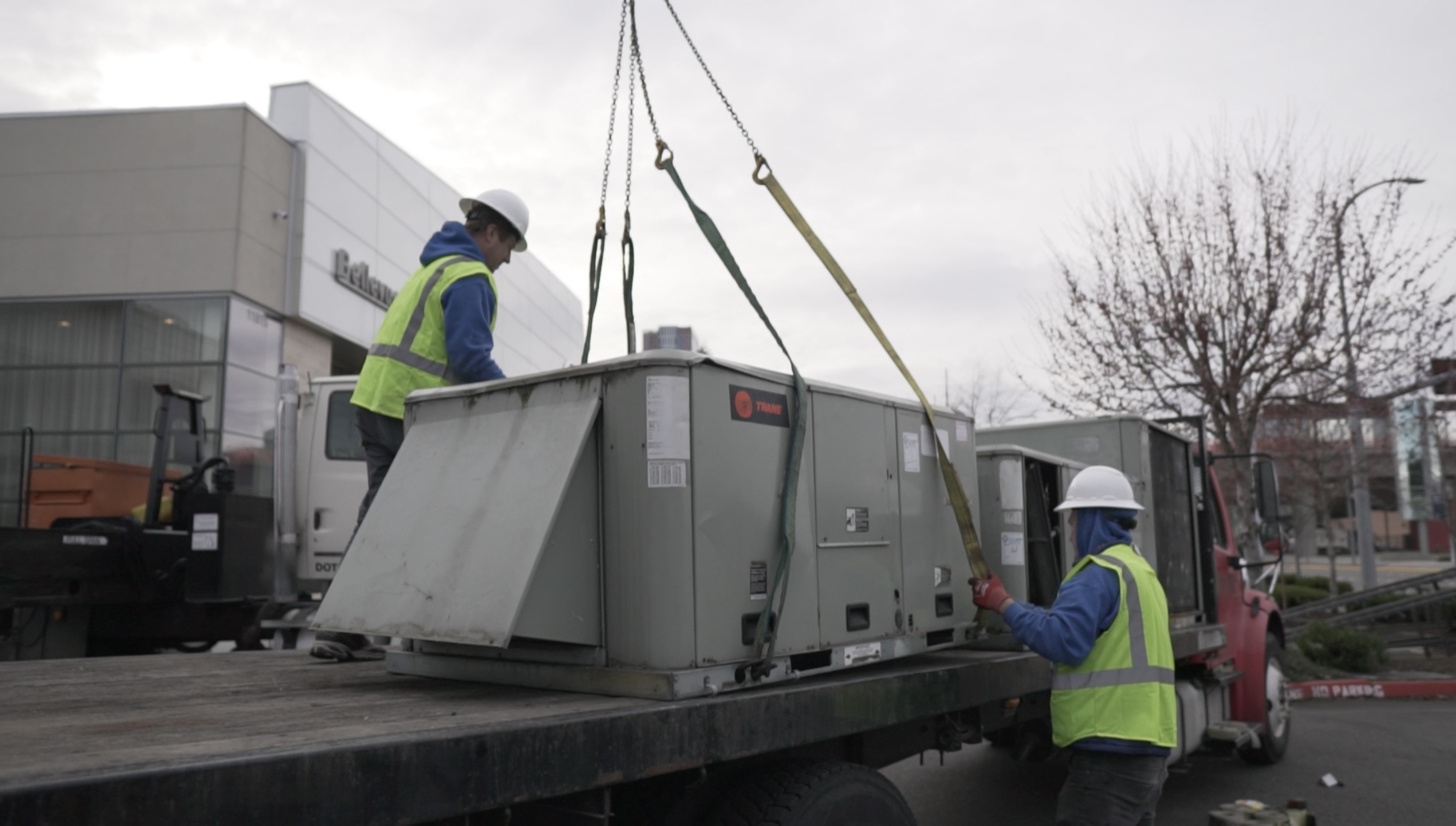
Keeping up with your commercial HVAC system doesn’t have to be overwhelming. By understanding how your system works, scheduling regular inspections, monitoring performance, and working with a trusted HVAC partner, you can ensure that your system stays efficient and reliable all year long. The benefits of proactive maintenance extend beyond lower energy bills—they also include improved indoor air quality, fewer disruptions, and a longer system lifespan. As a business owner or facility manager, investing in your HVAC system’s upkeep is one of the smartest ways to protect your property and ensure comfort for everyone inside. Get in touch with us today for all your commercial HVAC help. We offer HVAC services, AC installations, AC repairs, and so much more!

SERVICES
HVAC
Heating
Air Conditioner Repair
Heat Pumps
Mini Splits
Furnace Repair
Air Duct Cleaning
Air Conditioner Installation
Services by Product
Bosch
Day and Night
Lennox
Mitsubishi
LG
American Standard
Cooling Services
Indoor Air Quality
Preventive HVAC Maintenance
Commercial HVAC Service
HVAC Installation Services
HVAC Repair Services
Energy Efficient HVAC
HVAC System Upgrades
Refrigeration Services
Furnace Installation

"*" indicates required fields