 206-848-8080
 sales@seattlehvac.com
The Seattleite’s Guide to Choosing the Right HVAC Systems
In a city like Seattle, where the climate shifts from damp winters to mild, breezy summers, the need for a reliable and energy-efficient HVAC system is essential. Whether you are upgrading an outdated unit or building a new home in Seattle, finding the right HVAC system can help you stay comfortable all year long while keeping energy bills manageable.
Seattle homeowners face a unique set of climate considerations. Cold weather can linger longer than expected, and summer temperatures often call for more cooling than people assume. With these conditions in mind, understanding the most effective HVAC options becomes more than just a home improvement decision. It becomes a way to protect your home’s long-term comfort, efficiency, and value. From central air source heat pumps to ductless systems and high-efficiency furnaces, here is what you need to know to make an informed choice.
Central Air Source Heat Pumps as Efficient HVAC Systems
How Do Central Air Source Heat Pumps Work?
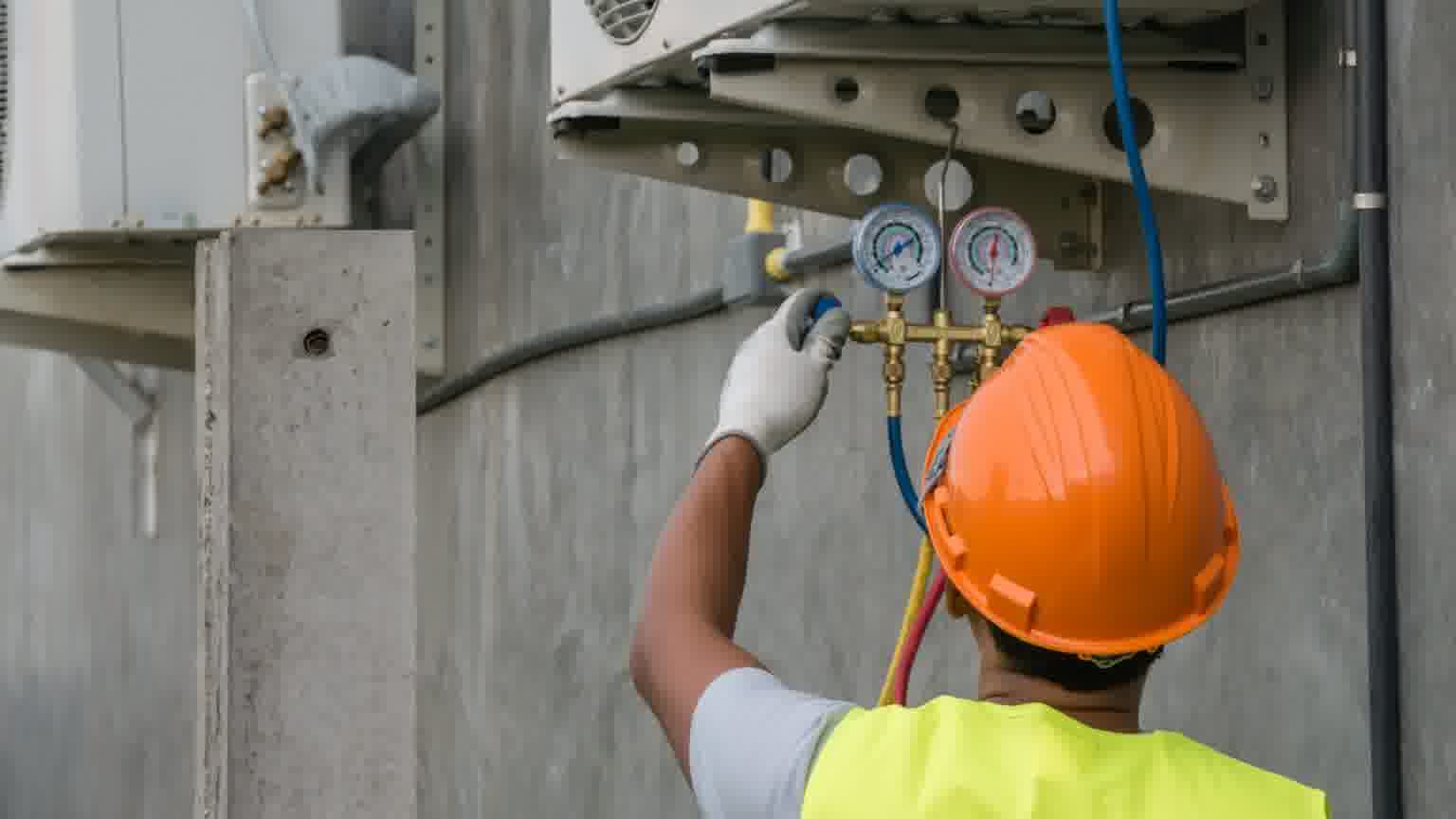
Central air source heat pumps are a popular choice for homeowners in Seattle looking for both heating and cooling in one system. They work by transferring heat from the outside air to the inside during the winter months and reversing the process during the summer. This system uses refrigerant to absorb and release heat, making it highly effective even in cooler temperatures.
Unlike traditional furnaces that rely on combustion to produce warmth, heat pumps move heat using electricity, which makes them more energy-efficient and environmentally friendly. In regions like Seattle, where temperatures are generally moderate, central heat pumps can operate year-round without the need for a backup system.
The Benefits of Central Air Source Heat Pumps
Central air source heat pumps offer several important advantages for homeowners. First, they provide both heating and cooling from a single system, eliminating the need to install separate units for different seasons. They also help reduce monthly energy costs, especially for households transitioning away from oil or gas heating. Since these systems are electrically powered and do not burn fuel, they produce fewer emissions and are considered a more sustainable choice.
Additionally, many models are compatible with smart thermostats and zoning systems, giving homeowners more control over indoor comfort. If you are seeking an all-in-one HVAC solution that supports energy savings and consistent performance, a central heat pump might be your best fit.
Ductless Mini-split Heat Pumps as Flexible HVAC Systems
What are Ductless Mini-split Heat Pumps?
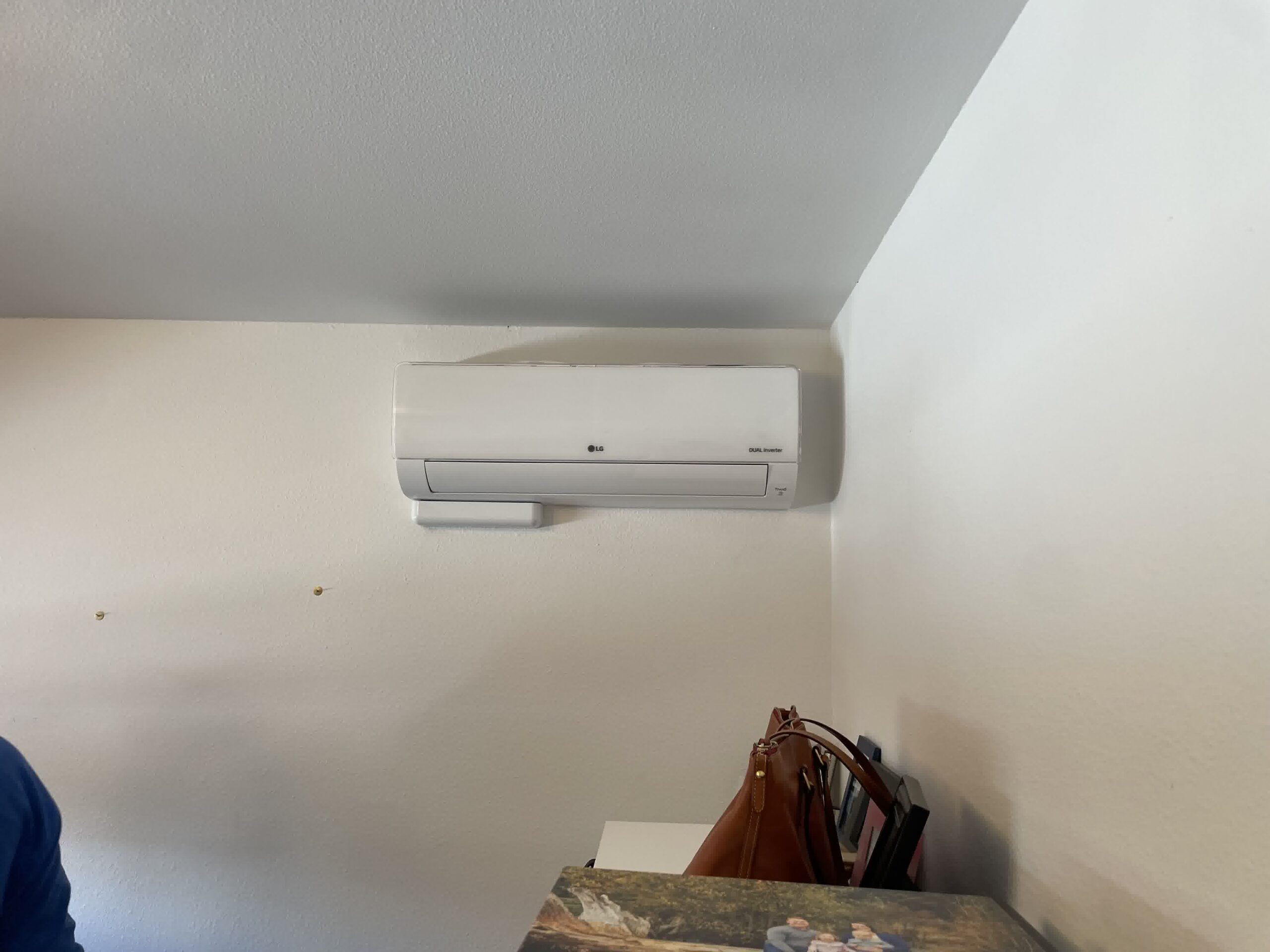
Ductless mini-split systems are compact HVAC units that offer heating and cooling without the need for extensive ductwork. These systems consist of an outdoor condenser unit connected to one or more indoor air-handling units, typically mounted high on a wall. Refrigerant lines and electrical cables link the components, allowing them to transfer heat efficiently between indoors and outdoors.
Mini-splits are ideal for specific zones within a home or for properties that do not have existing ductwork. They are especially useful for additions, renovated garages, finished basements, or separate office spaces.
What You Should Keep in Mind
Ductless mini-splits provide excellent energy efficiency because they eliminate the heat loss that often occurs in traditional ductwork. They are easy to install, require minimal maintenance, and allow you to create personalized comfort zones within your home. However, initial installation costs can be higher than other HVAC options, especially if you plan to install multiple indoor units throughout the house.
Design is another consideration. While modern mini-split units are sleek and discreet, some homeowners may prefer a more hidden system. Still, for properties in Seattle with older layouts or homes where duct installation is impractical, mini-splits can be a smart, cost-saving alternative.
High-Efficiency Furnaces as Cost-effective HVAC Systems
What Makes High-Efficiency Furnaces so Special?
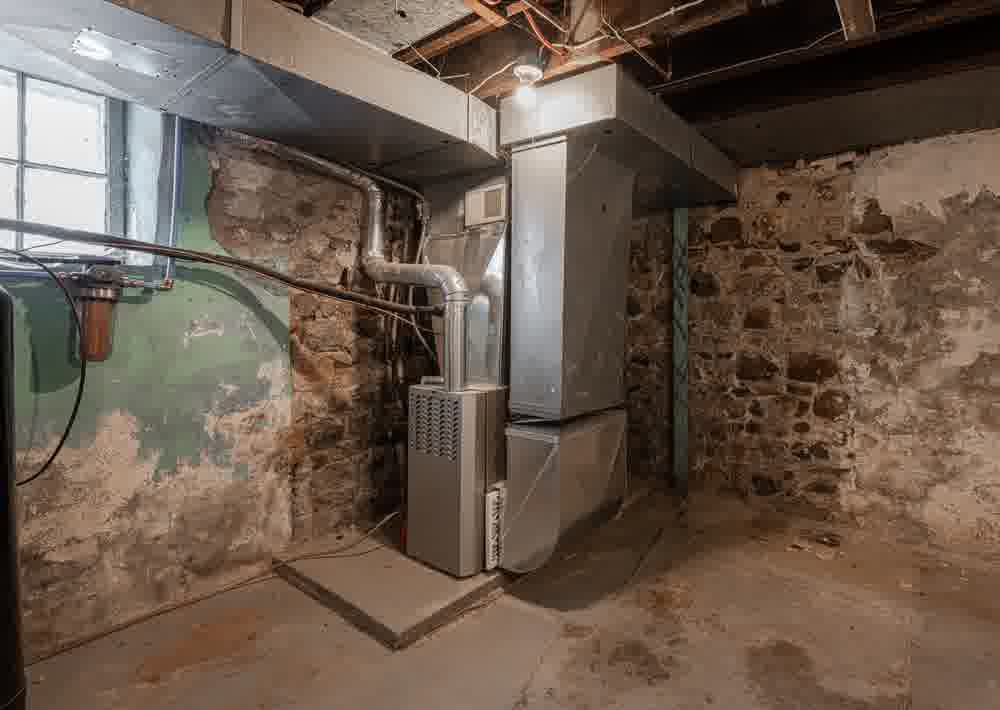
High-efficiency furnaces operate with an Annual Fuel Utilization Efficiency (AFUE) rating of 90 percent or higher. This means that at least 90 percent of the energy consumed by the furnace is converted into usable heat, making them far more efficient than older models. Many newer units feature variable-speed blowers and modulating gas valves, which help to maintain a steady indoor temperature without frequent cycling.
In colder areas of Seattle, a high-efficiency furnace can be the ideal choice for homeowners who prioritize dependable heating. These systems offer powerful heat output and quick responsiveness, even during frigid winter nights.
How Much Do These Furnaces Cost?
While high-efficiency furnaces generally cost more upfront than standard models, the long-term savings can make them a worthwhile investment. Lower energy bills, reduced carbon emissions, and eligibility for energy efficiency rebates all contribute to the overall value of these systems.
Installation costs can vary depending on the complexity of your home’s existing HVAC infrastructure. That said, for homeowners planning to stay in their homes long-term or those looking to improve resale value, high-efficiency furnaces offer a strong return. They combine performance, comfort, and sustainability in a way that aligns well with the values of modern Seattle living.
Conclusion
Choosing the right HVAC system for your Seattle home is not just about immediate comfort—it is also about energy efficiency, long-term savings, and adapting to the unique conditions of the Pacific Northwest. Whether you opt for a central air source heat pump, a ductless mini-split system, or a high-efficiency furnace, understanding how each option works will help you make the best decision for your property.
If you are unsure which system is right for your needs, a consultation with an experienced HVAC, Heating & Air Conditioner Repair team can provide clarity and confidence. Investing in the right HVAC system today means enjoying a more comfortable, cost-efficient, and environmentally friendly home tomorrow. Don’t wait a second longer, upgrade your HVAC system today by contacting us right now!

SERVICES
HVAC
Heating
Air Conditioner Repair
Heat Pumps
Mini Splits
Furnace Repair
Air Duct Cleaning
Air Conditioner Installation
Services by Product
Bosch
Day and Night
Lennox
Mitsubishi
LG
American Standard
Cooling Services
Indoor Air Quality
Preventive HVAC Maintenance
Commercial HVAC Service
HVAC Installation Services
HVAC Repair Services
Energy Efficient HVAC
HVAC System Upgrades
Refrigeration Services
Furnace Installation

"*" indicates required fields