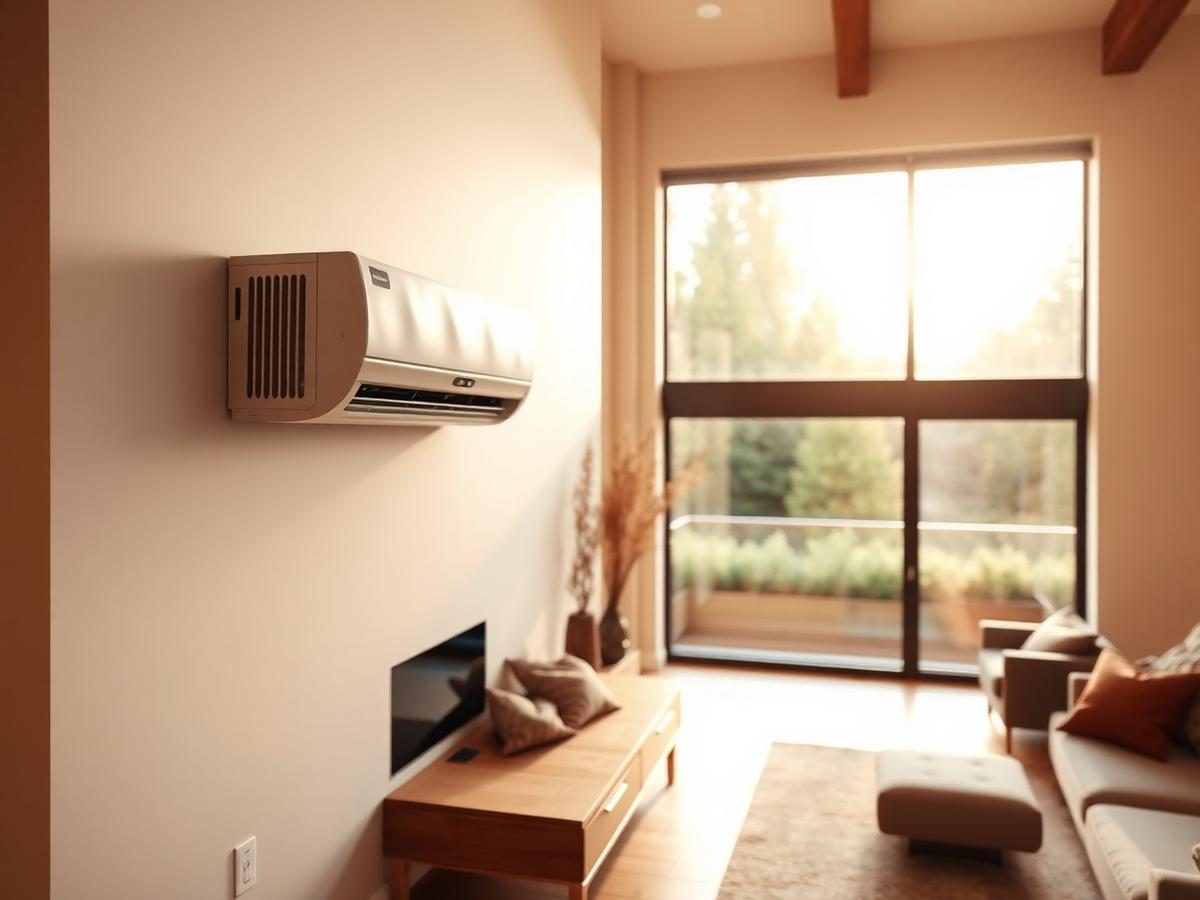
Mitsubishi Electric, Daikin and Bryant/Carrier all make good heat pumps. For most homes, the installer, the sizing and the setup matter more than the logo on the outdoor unit. The brand questions that are worth asking are about cold-weather performance, the right product type for your home, warranty terms and how easy parts are to get locally.
The installer matters more than the brand
A top-tier heat pump installed with the wrong size, poor refrigerant work or bad duct connections will underperform. A mid-range unit installed well can run quietly and efficiently for years. Most comfort complaints trace back to sizing and installation, not the manufacturer.
Look for a contractor who does a load calculation, explains their equipment choice, pulls permits and registers your warranty. Ask who services the system after install.
What each brand is known for
We install all three, and each has strengths. This is a general overview, not a ranking.
- Mitsubishi Electric — widely known for ductless and cold-climate inverter heat pumps, with a broad lineup of indoor head styles. Strong in homes without ducts and in multi-zone setups.
- Daikin — a large global manufacturer with both ducted and ductless options, including inverter systems. A solid choice across many home types.
- Bryant and Carrier — long-established names in ducted systems, furnaces and dual-fuel pairings. Often a natural fit for homes with existing forced-air ducts.
Cold-climate rating and sizing
Puget Sound winters are mostly mild, but cold snaps happen, and they can be harder in places like Sammamish, Issaquah and the Kitsap foothills than near the water. Many manufacturers offer models designed to hold heating capacity in cold weather. When comparing quotes, ask whether the model is rated for cold-climate performance and how much capacity it keeps at low outdoor temperatures.
Sizing ties it together. The right capacity for your home comes from a load calculation, not the size of your old system or the square footage alone.
Warranty registration
Most manufacturers offer a longer parts warranty when the equipment is registered, often within a set window after install. If it isn't registered, you may only get the shorter base warranty. Ask your installer whether they register it for you, and keep a copy of the confirmation.
Some brands also offer extended coverage through certified contractor programs. Seattle Heating & Cooling is a Mitsubishi Electric Diamond Contractor, and we'll explain which warranty options apply to the equipment we quote.
Parts availability and service
When something needs repair, how quickly parts are available locally affects how long you wait. All three brands have distribution in the region, but stock varies by model. Choosing equipment your installer services regularly usually means faster repairs.
How we recommend a brand
We start with your home: ducts or no ducts, panel capacity, cold rooms, and whether you want dual-fuel or all-electric. Then we match the product type that fits best, and usually show Good/Better/Best options that may span brands. You'll see the model, the efficiency tier and the price after incentives for each, so you can choose based on what matters to you.
Get a real number for your home
Free in-home install estimate with a load calculation and the price after rebates.
Want exact numbers for your home? Explore my options →