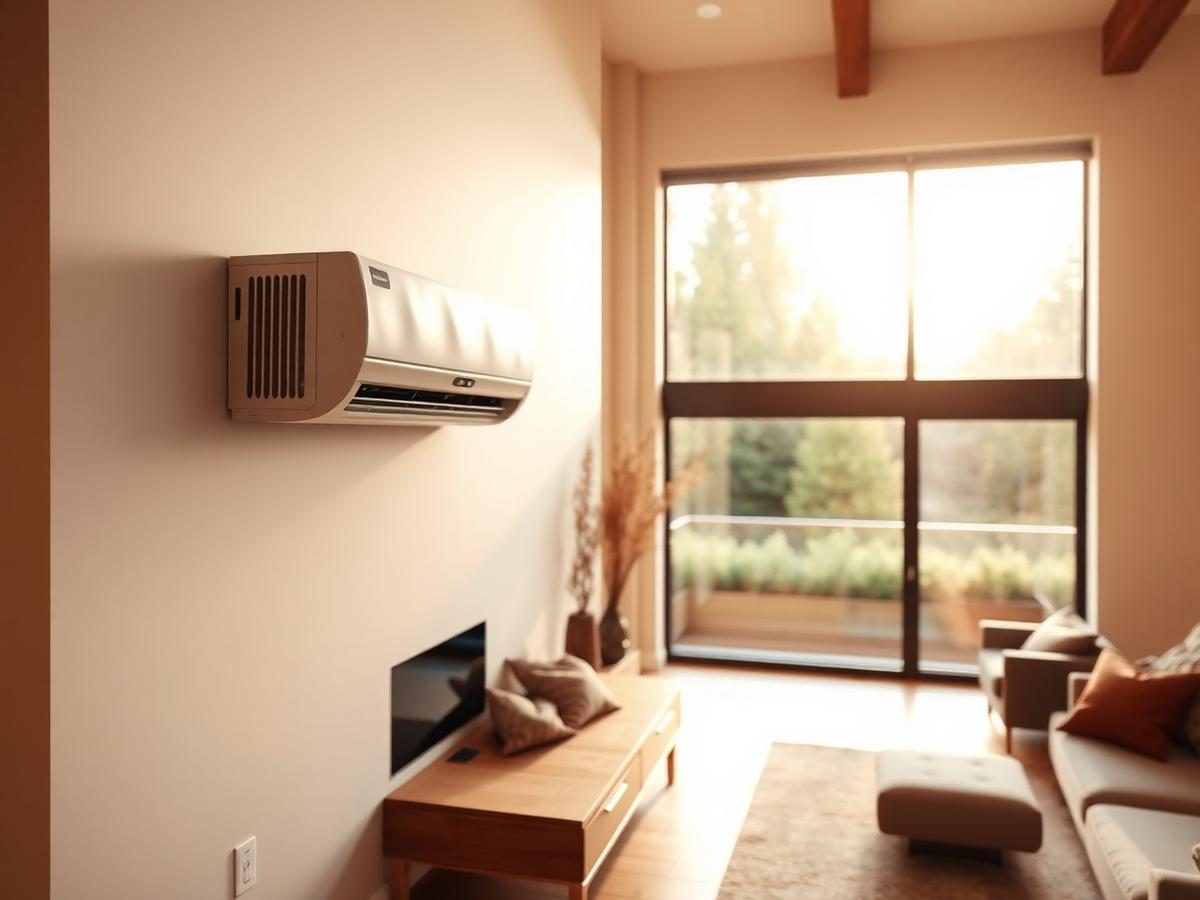
Electric baseboard and wall heaters are simple, but they're one of the most expensive ways to heat a home. A ductless heat pump moves heat instead of making it, so it can cut heating costs and add cooling. Most homes don't need a head in every room, and many keep a few baseboards as backup.
Why baseboard homes see the biggest change
Baseboard and wall heaters turn electricity directly into heat. A heat pump uses electricity to move heat from outdoors to indoors, which delivers more heat for the same electricity in our mild climate. That's why electric-baseboard homes are often the biggest winners from a heat pump.
Baseboard heat is common in ramblers, split-levels, condos and townhomes across the region — from Seattle City Light territory to PSE, Tacoma Power and Peninsula Light areas.
How many heads do you need?
Not every room needs its own head. An open main floor can often be served by one well-placed head. Bedrooms with doors usually need their own if you want them evenly heated and cooled. We look at layout, how you use each room and the heating load before recommending a zone count.
- Main living area — almost always gets a head.
- Bedrooms — depends on doors, size and whether you want cooling at night.
- Bathrooms and small rooms — often keep their existing heater.
- Basements and bonus rooms — sometimes a separate zone.
Keeping baseboards as backup
You don't have to remove your baseboards. Many homeowners leave them in place, turned down, as backup for the coldest days or for rooms without a head. Over time, most people find they rarely use them.
Panel, placement and condos
The outdoor unit needs a dedicated circuit. Some homes have room in the panel; others need breaker changes or a panel upgrade. Because baseboard homes already have electric heat, capacity is sometimes less of an issue than you'd expect, but we always check.
Condos and townhomes often need HOA approval for outdoor unit location and exterior line covers. We can provide the equipment details and placement plan your board will ask for.
Cooling is a bonus
Baseboard homes usually have no cooling at all. A ductless heat pump cools as well as it heats, which matters more each summer as heat waves become more common across the Puget Sound area.
Incentives
Utility incentives can change the math more than any other line item. Seattle City Light and Puget Sound Energy both run heat pump incentive programs, and some Eastside cities add local programs on top. Eligibility depends on your utility, what you're replacing (gas, oil, electric resistance or an older heat pump) and the efficiency rating of the new equipment. We confirm what applies to your home during the estimate, show the price after incentives, and file the paperwork for you.
Financing
Financing doesn't change the total cost, but it changes what you pay each month. Many homeowners compare the monthly payment on a high-efficiency system against the energy savings it delivers. Our payment estimator on the financing page gives you a rough monthly number, and actual terms depend on credit approval and the lender.
Get a real number for your home
Free in-home install estimate with a load calculation and the price after rebates.
Want exact numbers for your home? Explore my options →